



What is real-time weather data, and how is it different from standard forecasts?
Real-time Weather Data
Real-time weather data from our scalable weather API helps organizations make data-driven decisions and enhance operational agility. Teams can gain immediate insights into severe weather events or changing conditions and adjust their workflows faster, helping protect both human and operational assets. Whether you’re an international corporation or a small franchise, our scalable API can provide the real-time updates you need to outperform the competition.

Go beyond static forecasts with real-time weather data
Standard forecasts, like precipitation and temperature forecasts, generally provide hourly updates. While this may be useful for the average consumer, it can leave teams with outdated information during fast-moving weather events. Real-time data, such as radar maps and lightning alerts, is critical for safety and operational efficiency in fields like logistics, construction, outdoor event planning, and public safety. Low latency helps teams make faster, safer decisions with greater confidence.

Current Conditions
Updates about temperature, wind speed, visibility, or severe conditions at five-minute intervals ensure that teams can plan with the weather, not against it. This is especially important during severe weather events like hurricanes, where a half-hour delay may lead to an unacceptable loss of resources. Speed, freshness, and actionable insights are essential when conditions are shifting fast, and teams need to make quick decisions.

Radar Data Sources
High-resolution radar tracks storms in real time, which is crucial for sensitive applications such as logistics and aviation weather. When combined with surface observations of moisture and temperature, radar can give teams a clearer picture of a storm's speed, intensity, and direction, helping them get to safety before conditions worsen.

Lightning & Alerts
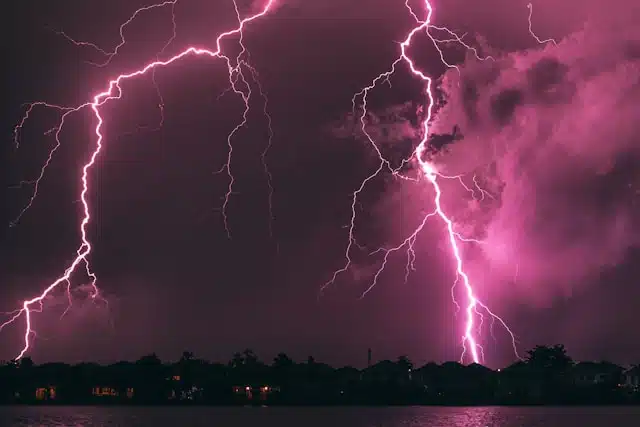
Lightning can be deadly, especially for construction workers at height or during outdoor events. With real-time data from local weather stations, teams can know exactly when lightning may approach a given location and take prudent precautions, such as work stoppages.
Other alerts, such as flood and dangerous storm warnings, can be equally crucial for planning evacuations. These conditions can change within minutes, not hours, meaning that reliable real-time data is crucial for protecting life and property.

Real-time Forecasts
Frequently updated forecasts are essential for short-term planning, such as for construction projects on tight schedules. The Visual Crossing API utilizes sensors, radar, satellite images, and other data to provide immediate observations on changing conditions. Teams can monitor conditions in real time to act quickly before workers or assets are in danger. This can prevent massive losses due to flooding, lightning, high winds, or extreme heat.

Global Coverage
For international companies, knowing what's happening in one region isn't enough. Visual Crossing combines all datasets so that any place on Earth is available through a single query. Teams can explore trends in Boulder, Colorado, then immediately query for Shanghai, China, without switching tools. The API's consistent reliability means that teams across multiple countries can stay ahead of the storm with the same information.

Easy API Access
Our single-entry-point Timeline API enables you to integrate weather data into a range of applications, dashboards, operational systems, or workflows. This significantly streamlines mission-critical work processes, as you don't need to watch multiple dashboards to know what's happening on the ground. Whether you have a commercial analysis tool or need an added analytical layer in your proprietary app, our API lets you embed real-time conditions into the same tools you use for everyday work.
Real-time Weather Data in Action
Real-time weather data is crucial for any field where quick decisions matter. The Visual Crossing API supports a range of use cases, including storm tracking, logistics, event management, and infrastructure protection.

Storm Tracking & Safety Alerts
Fast responses are essential for safety, especially for outdoor workers or nature enthusiasts. Safety alerts let you track approaching storms so that you can send push notifications or automatically activate safety protocols.
For example, mobile app developers can integrate real-time radar precipitation data to warn hikers about unsafe conditions on the trail. Using LLMs or other tools, the app can offer hikers directions to nearby storm shelters, protecting them from the worst of the weather.

Delivery & Logistics Optimization
Weather is a constant factor in delivery and logistics. Rather than trying to predict potential issues based on visual observations, delivery and logistics teams can rely on highly accurate real-time weather conditions. With this information, teams can dynamically reroute shipments to avoid weather-related delays or potential spoilage. This can ensure every shipment gets to its destination on time and in perfect conditions without endangering staff.
This can be essential for weather-sensitive products, like perishable food or critical medical supplies. With real-time data, a fleet management system can adapt its strategy, such as delaying non-critical deliveries while routing critical shipments around a heavy snowstorm.

Event Management & Outdoor Planning
Real-time radar and alerts let you know exactly when those gray clouds go from a minor inconvenience to a dangerous low-pressure storm cell. Prompt alerts enable event management teams to implement their attendee safety plans, such as evacuating a stadium during a lightning storm or setting up indoor spaces for an outdoor wedding. This weather-aware event planning can minimize disruptions, improve customer experience, and prevent expensive liability issues that may result in event insurance cancellation.
Infrastructure Monitoring & Control
Automation is key to reaching maximum efficiency, particularly for weather-sensitive applications. Using the Visual Crossing API, teams can configure HVAC, irrigation, cattle watering, or other systems to automatically trigger in response to key weather changes such as temperature, soil moisture, precipitation, or wind speed.
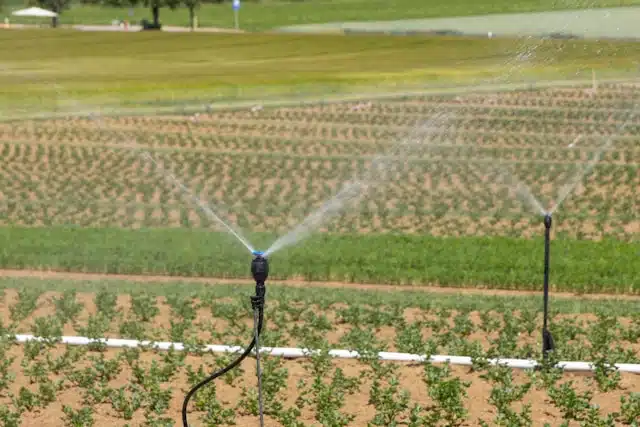
For example, a smart irrigation system can adjust watering schedules based on observed conditions like humidity, rainfall, or temperature. This not only saves water but also prevents overwatering, which can cause rain rot. Over time, this provides energy savings while also reducing the human cost of fine-tuning systems.
Key Real-Time Weather API Features
Beyond current conditions, utilize historical and forecast data
Historical reports from ground-base stations & satellites and forecasts from global & local computer models
CSV and JSON Results
Obtain rich JSON structures or easy-to-use CSV for current conditions from any API call
Location address geocoding
Look up real-time data and weather details for any location using an address, ZIP Code, latitude/longitude & more
Weather API or direct download
Query data using our RESTful API or download data via our web-based Query Builder
Start today for free
Sign up for a free account now and immediately begin using our weather API to query real-time weather data, accurate forecasts & historical data for any global location.
FAQs about Real-time Weather Data
Real-time weather data differs from standard forecasts because it refreshes more frequently, typically every five to ten minutes. Most standard forecasts are refreshed hourly, which can lead to significant delays and potential operational losses in commercial sectors such as logistics.
Real-time weather data helps logistics and delivery teams make informed decisions about changing conditions, including severe weather such as snowstorms and windstorms. Teams can reroute around storms or adjust work schedules so that drivers are not caught on the road during extreme conditions. By communicating weather-related delays to customers as soon as possible, teams can also prevent issues like reputational loss or costly delivery disputes.
Radar helps track storms in real time, including when and where they will hit. It also tracks conditions that may lead to lightning strikes, which can be dangerous for anyone working at height or near metal structures. Knowing these conditions helps to ensure that workers or event attendees can be evacuated in time, while operational assets can be moved or secured during potentially damaging events like windstorms.
Real-time data helps teams plan for contingencies without endangering participants or attendees. The process starts by using historical records to assess potential dangers that may occur during the event and to build emergency plans.
Then, during the event, teams can monitor conditions and prepare to enact emergency plans when conditions reach certain thresholds, such as lightning detected within a five-mile radius or precipitation exceeding 1 inch per hour. This way, alternative plans like evacuations or moving events indoors can be executed smoothly, protecting both life and property.
Any weather-dependent industry can benefit from real-time weather data and live weather alerts. Common industries that use the Visual Crossing API include logistics, delivery, event planning, infrastructure operations, and public safety teams. However, Visual Crossing supports a broad range of use cases thanks to a flexible, easily integrated API and online dashboard.