



What is the difference between general weather data and weather data for agriculture?
Weather Data for Agriculture
The Visual Crossing Weather API offers essential weather data for agriculture that can ensure more efficient operations. Advanced measures like soil condition, evapotranspiration, and growing degree days help you schedule planting, crop care, and harvesting, while severe weather event alerts ensure you can keep your livestock and crops safe. Our agriculture weather forecast API can be easily integrated into your planning software to optimize production and achieve competitive success.
Turn weather data into better agricultural decisions
Agricultural operations depend on clear, hyperlocal weather data at each step of the process. While general forecast conditions and extreme weather alerts can prepare growers for everyday field work, this weather information does not translate to soil conditions. Instead, agricultural professionals need real-time insights both above and below ground.
The Visual Crossing API brings together historical data, real-time weather data, forecast conditions, and specialized datasets crucial for the agricultural sector. These include soil measures, evapotranspiration, and growing degree days, which are available through a single API call. This data plays a crucial role in precision agriculture, impacting planting, crop care, harvesting, and livestock care. With these tools, you can bring more products to market and reduce economic losses from weather fluctuations.
Available agricultural weather elements

Soil Temperature
The temperature of the soil at various depths from the surface level to 2 meters

Soil Moisture
The moisture level contained in the soil at various depths up to 2 meters

Evapotranspiration
The amount of moisture that will be evaporated out of plant cells based on the surrounding weather conditions

DeltaT
The wet bulb depression indicates the evaporation rate for planning crop spraying

Growing Degree Days (GDD)
Accumulated heat above a base temperature determines germination and plant growth cycles

Wet Bulb Temperature
Thermodynamic temperature accounting for humidity is used to assess heat stress risk for crops and livestock

Leaf Wetness
Indicates the presence and duration of moisture on plant surfaces, helping assess disease risk and optimal timing for irrigation or pesticide application.

Haines Fire Index
Measures atmospheric stability and dryness to estimate the potential for wildfire growth and intensity.

Solar Radiation
The amount of incoming sunlight energy at the surface, influencing plant growth, evaporation rates, and overall crop productivity.

Dew Point
The temperature at which air becomes saturated, indicating moisture availability and helping assess plant stress, disease risk, and overnight condensation on crops.

Precipitation
The amount of rainfall received, critical for soil moisture replenishment, irrigation planning, and assessing crop water availability.

Frost Risk
The likelihood of temperatures dropping low enough to damage crops, helping growers protect sensitive plants and plan planting, harvesting, and frost mitigation strategies.
Key weather api features for agriculture
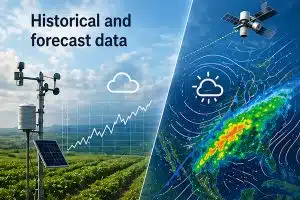
Historical and forecast data
Optimize operations by examining over 50 years of historical records from ground-based stations and satellites, including agribusiness datasets. Prepare for weather impacts with forecast data from global and local computer models.
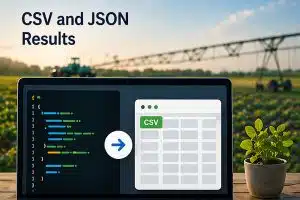
CSV and JSON Results
Obtain rich JSON data structures and easy-to-use CSV files from any API call, and easily integrate them into your agricultural productivity applications, business planning spreadsheets, and team presentations.
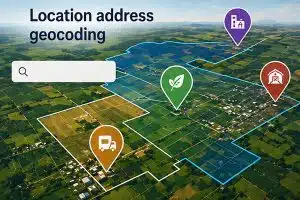
Location address geocoding
Agricultural businesses can check weather data across a full ZIP code for large operations, or use latitude/longitude to focus on a specific field. Search by address to assess extreme weather events at a processing facility, barn, or depot.
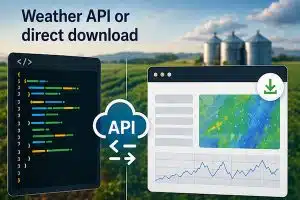
Weather API or direct download
Query data using our RESTful API, convenient for use in an agricultural planning app. You can also download data via our web-based Query Builder for team meetings or to assess agricultural output over a longer period.
Primary areas where weather data supports agriculture
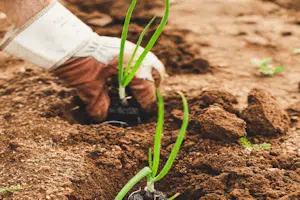
Planting
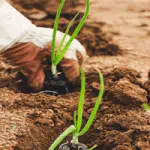
Weather influences every aspect of the agricultural industry. Understanding the area’s general climate drives crop decisions, as different crops thrive in certain temperature and moisture thresholds. Understanding the species’s typical degree days will also ensure that each crop has sufficient time to grow before harvest.
Planting depends on the right soil temperature and moisture, as otherwise the crop will not germinate. While adjusting soil temperature can be challenging, understanding the current soil moisture levels allows farmers to determine the necessary irrigation before planting. This significantly enhances resource efficiency and improves yields.
Temperature forecasting is also important. A sudden cold snap after planting can require prompt intervention to protect crops at their most fragile stage, while heat waves may lead to rot. With accurate medium-range forecasting, farmers can prepare for temperature fluctuations based on the specific crop’s needs.
Crop Care
Crop yield depends on precise irrigation schedules, fertilizer application, and pest control, all of which are influenced by metrics like temperature, soil moisture, evapotranspiration, and GDD.
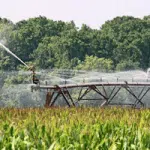
Farming operations must make informed decisions about when to irrigate based on temperature, humidity, cloud cover, and soil moisture. These all determine how well a plant can “breathe,” how much water is already available to it, and how much is likely to evaporate. Combining these factors enables farmers to make irrigation decisions with high accuracy and avoid wasting this precious resource.
Fertilizer application is best done when there is unlikely to be significant rainfall, while it is more necessary during dry spells. High-resolution, local soil moisture data improves fertilizer decision-making and reduces costs.
Pest infestations and disease risk are also heavily influenced by weather. Certain pest cycles can be predicted by monitoring GDD, while diseases like rot and fungus are strongly influenced by temperature and precipitation. Properly timing pest control applications and other health treatments reduces crop losses and protects the farm’s overall ecological health.
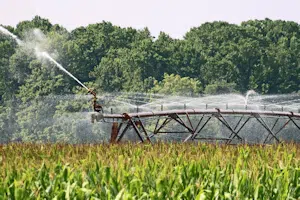
Harvesting
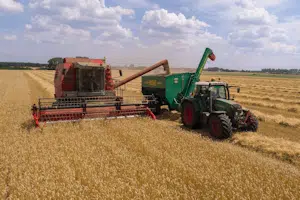
Informed choices about harvest timing are critical to picking crops at their peak. Agriculture industry professionals must consider crop quality, timing, and logistics to avoid under- or over-ripeness and maximize yields.
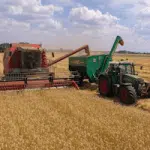
Temperature, soil moisture, and GDD determine crop maturity windows, which naturally inform harvest timing. However, harvesting is resource-intensive, requiring both manpower and equipment that may need to be spread across large distances. Tools like radar weather forecasts can show whether rain or high winds are in the forecast, helping farmers make more precise decisions about whether to harvest immediately due to weather conditions or wait a few more days for ripening.
Post-harvest activities, like curing and drying, also depend on temperature, wind speed, and air moisture. With real-time data and short-term forecasts, farmers can decide the right placement and sequencing for these crucial tasks.
Livestock Care
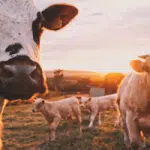
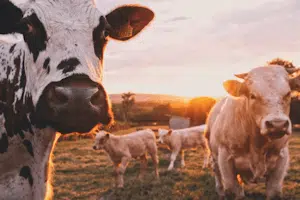
Livestock stress can significantly affect meat quality, making it essential to ensure the animal’s well-being. Weather data helps farmers and ranchers protect their stock from temperature extremes, heat stress, or dehydration.
Monitoring temperature, precipitation, and wind speed averages for the area can help farmers decide how many shelters are necessary per head of cattle, as well as what cooling measures will work. That could be misters, climate-controlled sheds for heat waves, or bodies of water.
Weather predictions can also help with feed and hydration needs, especially for free-range cattle who may need hay transported to them throughout the day. Together, these factors can protect livestock from high temperatures, improve yields, and reduce wasted feed.
Commercialization
Profitability depends on getting products to the market at peak freshness or buying products that are in the best condition. Weather data helps farmers and ranchers plan transport and route conditions around the weather forecast, avoiding humid, icy, or extremely hot days depending on the season.
This information can also ensure that logistics companies avoid windstorms, blizzards, or rainstorms that could damage the product. Farmers can ensure that their crops or livestock is in the best condition and will command the highest price.
Purchasers can assess product quality by considering both historical and real-time weather data. For example, corn grown under drought conditions will likely be less nutritious and may only be suitable for livestock consumption, which can drive negotiations.
Start today for free
Sign up for a free account now and immediately begin using our weather API to query accurate forecast & historical data for any global location.
With specialized agricultural weather forecasts, you can enhance all agricultural activities, including planting, crop and livestock care, harvesting, and commercialization.
FAQs about Weather Data for Agriculture
A general weather forecast describes factors like rain, wind, snow, and temperature. Agriculture weather information measures factors like soil temperature, moisture, and GDD that can directly impact farming operations.
Knowing GDD and future weather events helps farmers decide when to harvest based on available resources and the risk of severe weather. Additionally, farmers can plan routes and optimize delivery times so that their products arrive in peak condition.
Irrigation schedules are heavily dependent on the current soil conditions, including temperature and moisture. Pesticides or fertilizers should be applied when it is dry to avoid runoff and improve soil penetration, and crop care measures, like pest control, should be applied depending on GDD and the specific pest’s life cycle.
Weather information helps ranchers assess the risk of dehydration or temperature-related conditions like frostbite or heatstroke. With this information, they can provide access to shelter, extra water, feed, or cooling centers.
Knowing GDD and future weather events helps farmers decide when to harvest based on available resources and the risk of severe weather. Additionally, farmers can plan routes and optimize delivery times so that their products arrive in peak condition.