

How can weather data help companies forecast grid load more accurately?
Weather Data for Utility Companies
Weather data for utilities helps companies forecast demand and improve grid reliability. With advance warning of severe weather events, utilities can protect their infrastructure, plan crew scheduling, and manage outages effectively. With the Visual Crossing weather API, global weather data and weather forecasts are available with one API call, enabling utilities to easily integrate specialized datasets into their dashboards for more effective decision-making.
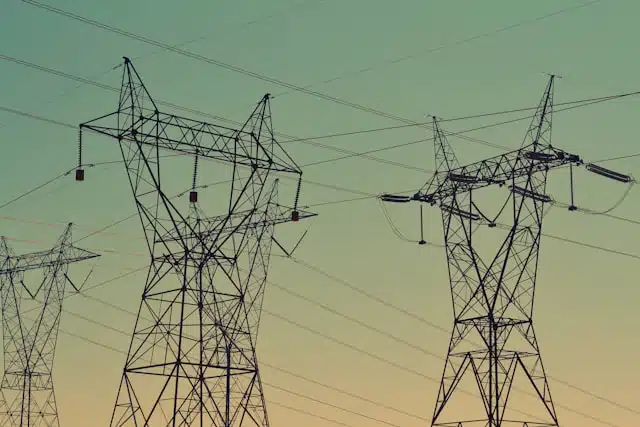
Plan utility operations around weather before conditions disrupt the grid
While general weather forecast data may be useful for the average person, utilities need to know exactly when and where severe weather strikes, often down to the exact address. Hyper-local weather data enables companies to forecast loads and balance power grids, while severe weather monitoring lets crews mobilize to critical infrastructure before it goes down.
This actionable weather intelligence reduces power outage frequency and severity, reduces the weather’s impact on utility infrastructure, and ensures operational efficiency even during extreme weather events.
Available utility company weather elements

Temperature
Temperature plays a pivotal role in grid operations because it determines demand and can be dangerous for crews. By monitoring temperature, operators can plan peak loads, prepare for increased electricity and natural gas demand, and protect crews from heat stress.

Wind
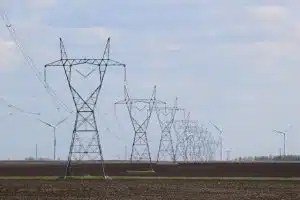
High winds can cause significant damage to power lines and renewable energy assets, such as wind farms. Monitoring wind speeds and gust data helps utilities prepare crews for power outages and protect their infrastructure.

Ice and Winter Conditions
Ice, freezing precipitation, and snow can overload grid capacity, as transmission reliability drops just as demand spikes. High-resolution weather data helps operators prepare for emergencies and assess outage risk based on current conditions. It also helps crews make informed decisions about where to deploy so that critical locations, like hospitals, are served first.

Severe Weather
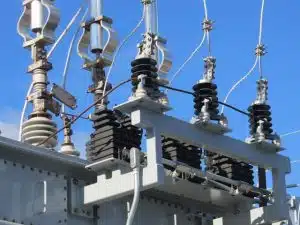
Lightning strikes, thunderstorms, hail, and windstorms can cause massive property damage within only a few minutes. Real-time weather data, such as lightning data or hail maps, can help teams manage risk more efficiently for strategic assets, including substations, power lines, and transformers.

Historical Weather Patterns
Historical weather is crucial for data-driven decisions extending past the typical 15-day forecast window. Past weather trends help teams perform accurate infrastructure risk management reviews and broadcast their service area's evolving needs throughout the year.

Forecast Risk Signals
Short-term and multi-day forecasts improve crew staging and provide advance notice for potential outages. By strategically deploying resources, stakeholders can make operational decisions more quickly and improve their reputation as a reliable provider.

Solar Radiation and Cloud Cover
Solar assets are becoming an increasingly crucial aspect of utility portfolios. Solar irradiance data enhances grid management by predicting production and balancing loads between multiple assets.
Key weather api features for utility companies
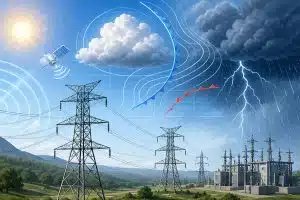
Historical and forecast data
Historical reports from ground-base stations & satellites and forecasts from global & local computer models, ensuring you can review weather conditions that may impact your operations.
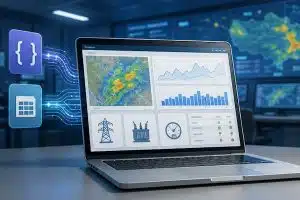
CSV and JSON Results
Obtain rich JSON structures or easy-to-use CSV from any API call, and use them in a utility-specific asset or dashboard.

Location address geocoding
Look up weather details for any location using an address, ZIP Code, latitude/longitude, making it easier to identify outage locations.

Weather API or direct download
Query data using our RESTful API or download data via our web-based Query Builder for deploying crews or planning a grid management session.
How utility companies use weather data
Grid Load Forecasting
Weather data enables efficient operations by helping teams predict demand based on factors such as temperature, precipitation, and humidity. This way, teams can plan for peak loads, prepare the grid for demand spikes, and make informed generation decisions.
Outage Readiness
Utilities need hyper-local forecasts with superior accuracy because storms do not affect every part of a geographic area equally. Forecasting helps companies identify which areas are most likely to experience outages, enabling faster restoration responses. Teams can prepare for storms and ensure operational readiness before conditions deteriorate.

Crew Planning and Resource Allocation
Operators can also assess their emergency resources and adjust field schedules for maximum coverage. Tools like satellite imagery can ensure crews, equipment, and other assets are prepared for the weather and deployed as soon as possible. Additionally, real-time monitoring enhances situational awareness, helping crews stay safe in the field.
Infrastructure Protection
With quality-controlled data, companies know exactly what lines, substations, transformers, and other assets are at the highest risk of severe weather events. This helps planners triage maintenance and asset protection to the most vulnerable infrastructure, reducing service disruptions.

Energy Distribution Planning
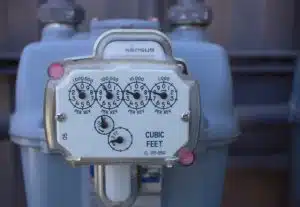
Beyond severe weather, everyday weather conditions such as air quality, temperature, and precipitation can affect overall operations and demands. Visual Crossing provides high-quality data from expert meteorologists to enhance distribution planning, system balancing, and asset allocation across the network. This reduces reputational risk by ensuring service continuity.
Weather Risk Monitoring
Historical weather data and weather forecasts can help teams to identify high-risk areas and track threats across service territories. For example, an analysis may note that certain corridors are more vulnerable to severe weather and require additional infrastructure investment to maintain service. With these targeted adjustments, companies can avoid expensive losses.
Start today for free
Sign up for a free account now and immediately begin using our weather API to query accurate forecast & historical data for any global location.
We provide high-quality data from trusted sources such as the National Weather Service, as well as specialized data to ensure safe, stable grid infrastructure. With severe weather alerts, you can protect infrastructure, prepare for outages, and plan crew scheduling to keep the lights on across your entire service territory.
FAQs about Weather Data for Utility Companies
Weather data that helps forecast grid load includes temperature, precipitation, wind speed, lightning strikes, and severe weather alerts.
Weather signals crucial to outage readiness and restoration planning include lightning, thunderstorm data, ice, hail, heavy precipitation, and snow, which help pinpoint when and where an outage may occur.
Weather data helps companies identify which areas are most vulnerable to outages, enabling immediate deployment of crews and resources to those regions rather than spreading crews across the entire territory
Historical weather data helps companies assess what types of severe weather events are most common in the region and when they are most likely to occur. The historical data also helps teams identify when demand may spike and prepare the grid for sudden fluctuations.
Weather intelligence enables the team to identify what assets are most vulnerable to severe weather, such as power lines on exposed hills or substations in valleys with heavy snowfalls. This means that these assets can be upgraded or prioritized during weather events, reducing the risk of outages or blackouts.