






How can weather data improve route planning?
Weather Data for Shipping & Logistics
The Visual Crossing API provides high-quality weather data for shipping and logistics companies seeking a competitive advantage. With specialized logistics weather intelligence, companies can optimize all aspects of their dispatch and routing, including fleet visibility and delivery timing, without having to check a second dashboard.
Dispatchers can quickly adjust routes around adverse weather conditions, which prevents product damage while avoiding delays. They can also map weather events in real time across the full journey to mitigate a range of operational risks like high temperatures or heavy snow.
The API offers high-quality, hyperlocal live and forecasted weather for every stage of the journey, whether that is marine weather maps for maritime operations or storm tracking for trucking routes.

Plan around weather disruptions before they affect the route
Weather-related delays can result in profit losses, equipment damage, and reputational risks with customers. If delivery schedules are even a few hours off, it can lead to ripple effects across the entire supply chain, particularly for temperature-sensitive products like produce.
However, general weather forecasting is not specific enough for the logistics sector, as it typically uses averages across a broad region. Severe weather conditions can vary widely within a ZIP code or county, so if companies rely on typical forecasts to assess the weather’s impact, they may face costly shipping delays.
Instead, companies need detailed information about current conditions across the entire region that can be incorporated into their fleet management systems. The Visual Crossing API helps teams predict potential delays and reroute if needed, keeping both cargo and employees safe. Overall, this creates a more reliable transportation infrastructure and improves customer satisfaction.
Available shipping and logistics weather elements

Precipitation
Heavy rain or snow can close ports and roads, potentially leading to slowdowns and product spoilage. Advance precipitation warnings let decision-makers adjust route selection or delivery timing to better mitigate risk.

Wind
High winds can ground flights, overturn semitrucks, or cause gales that could endanger maritime workers. By tracking wind speed and adjusting cargo handling, teams can make sure every delivery arrives safely.

Temperature
Extreme heat is becoming more common due to climate change, putting drivers and temperature-sensitive products at risk. Similarly, freezing temperatures can significantly affect vehicle performance and create dangerous road conditions. Temperature-aware strategic planning can reduce these weather risks while ensuring profitability.

Severe Weather
Storm surges, lightning, blizzards, floods, ice storms, and other extreme weather events can cost businesses thousands of dollars due to increased safety risk and delays. High-quality weather data helps transport teams perform precise risk assessments that prevent these losses.

Real-Time Conditions
Bad weather conditions can appear quickly, resulting in sudden delays or day-of-delivery adjustments. Through real-time monitoring, dispatchers can make quick decisions that prevent costly losses or delays.

Historical Weather Patterns
Historical data is invaluable for future climate predictions, including what routes are regularly impacted by extreme events. Transport companies can use long-term weather trends and predictive analytics to develop greener operations or enhance delivery efficiency.
Key weather API features for shipping and logistics
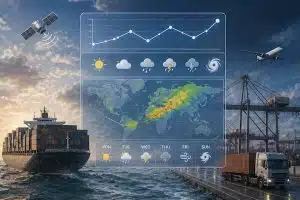
Historical and forecast data
Assess the impact of historical and future conditions on transport by leveraging ground-base stations & satellites and forecasts from global & local computer models

CSV and JSON Results
Obtain rich JSON structures or easy-to-use CSV from any API call, which are simple to integrate into any transport workflow.
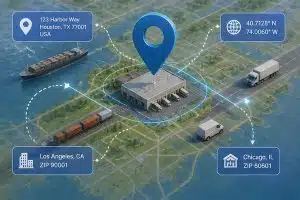
Location address geocoding
Assess the weather impact for any address, ZIP code, latitude/longitude, city, or region with one API call, letting you track your fleet anywhere.
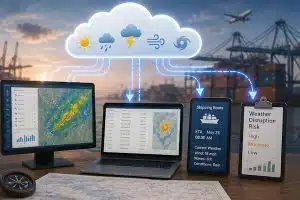
Weather API or direct download
Query data using our RESTful API for on-the-ground transport management, or download data via our web-based Query Builder for comprehensive analysis of potential weather disruptions.
How shipping and logistics teams use weather data

Route Planning and Weather Routing
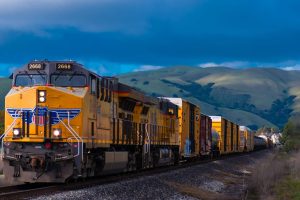
To reduce delays and ensure products arrive in good condition, transport businesses must select the best path for each delivery. However, bad weather can turn a simple trip into a costly delay. Gale-force winds at sea, flooded roads, ice on train tracks, or heavy lightning storms that ground airplanes may cause expensive disruptions and damage customer relationships.
Accurate weather intelligence helps dispatchers identify disruptive conditions across an entire area, enabling them to reroute deliveries around severe conditions. This more responsive approach reduces losses while protecting equipment.
Shipment Delay Prevention
Weather-related supply chain disruptions are not preventable, but they can be mitigated through advance warning. Accuracy matters significantly here: a general weather report may make it appear as if adverse weather covers an entire area, but this may not be true.
Hyper-local weather can show whether there are passable roads or whether hail damage is affecting only a certain corridor. This lets teams plan dispatches, reschedule shifts, or adjust routes to avoid the worst conditions and get shipments where they need to, right on time.
If severe weather disrupts transportation, companies can improve customer service by communicating the shipment’s updated arrival time more precisely.


Fleet Weather Monitoring
Weather intelligence enables teams to monitor conditions across multiple vehicles, regions, and delivery legs. This ensures fleets remain visible at all times and dispatchers can communicate immediately with those out in the field.
For example, if a snowstorm is expected to close roads ahead, dispatchers can inform their truckers immediately. The trucker can then schedule their mandatory break for this time slot and wait for conditions to improve before continuing. This ensures safer operations and reduced interruptions to the expected travel time.
Supply Chain Visibility
Shipment flow, warehouse timing, and transfer points are all impacted by weather, meaning that real-time weather intelligence is essential for overall supply chain management. For example, if road conditions deteriorate during a multi-leg journey, warehouse managers can shift dispatches or transfer points, reducing disruptions and improving efficiency. Over time, this will ensure higher success rates and improved customer retention.
Freight and Cargo Protection
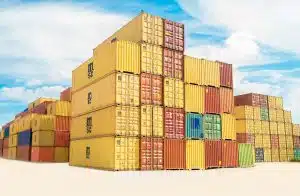
Temperature-sensitive, fragile, or high-value freight needs additional protection from dangerous weather, as otherwise customers may lose thousands of dollars in profit. These extremes can be avoided through smarter cargo handling, timing, and routing, all powered by accurate weather data.
Dispatch teams can check weather conditions throughout the entire expected path and adjust scheduling so that products are transported during the coolest parts of the day, preventing any fluctuations that may result in losses.
Real-Time Logistics Decisions
Temperature-sensitive, fragile, or high-value freight needs additional protection from dangerous weather, as otherwise customers may lose thousands of dollars in profit. These extremes can be avoided through smarter cargo handling, timing, and routing, all powered by accurate weather data.
Dispatch teams can check weather conditions throughout the entire expected path and adjust scheduling so that products are transported during the coolest parts of the day, preventing any fluctuations that may result in losses.

Start today for free
Sign up for a free account now and immediately begin using our weather API to query accurate forecast & historical data for any global location.
Receive timely, industry-specific data for better dispatch, fleet monitoring, and freight protection. The Visual Crossing API is ready to integrate with any dashboard, app, or planning software, while our scalable system supports businesses of any size.
FAQs about Weather Data for Shipping and Logistics
Weather data helps teams identify the safest paths for specific shipments and modalities, whether that is avoiding high winds for high-value items or protecting produce from the cold.
Signals that matter most include severe weather conditions, extreme cold or heat, wind speed, lightning, and rain or snowfall.
Data helps teams determine when and where to dispatch the fleet while keeping operators aware of changing conditions ahead.
Real-time data protects shipments, equipment, and operators from hazards such as windstorms or blizzards by enabling dispatchers to reroute immediately rather than waiting for conditions to deteriorate.
By identifying current and future conditions in multiple locations, dispatchers can assess risk in real time and communicate proactively with all stakeholders. For example, they can warn an intermediary warehouse about a late shipment or adjust transfer points due to adverse conditions.