

The impact of weather on film productions can lead to significant delays, budget overruns, and safety issues. With a weather API, filmmakers and set managers can be the first to know about adverse weather conditions, plan for weather-related risks, and identify the perfect conditions for their preferred visual effects.

Understanding the Impact of Weather on Film Productions
Film production, whether for movies or TV, is challenging enough without adverse weather disruptions. Some of the most memorable films in history, like The Wizard of Oz and Apocalypse Now, put their actors in real danger due to extreme weather conditions.
For example, Jaws was repeatedly delayed by the chaotic weather patterns in the Atlantic Ocean, which also destroyed some of the expensive animatronic props. Not only did this cause long delays, but it also led to internal turmoil among crew members, who were stressed by the weather-related challenges.
Cult classic Waterworld had its budget balloon by over $75 million when a hurricane destroyed its set off the coast of Hawaii. Star Kevin Costner was also injured when a torrential downpour wreaked havoc on the boat they were using.
Many of these films were shot before the 21st century, when production teams did not have 24/7 access to weather updates or historical weather data at their fingertips. Now, teams can maintain production momentum, avoid adverse conditions, and make informed decisions about when to shoot outside.
The Cost of Weather-Related Delays in Film Shoots
Weather challenges don’t just interrupt the shooting schedule but can lead to enormous financial losses. Filmustag, a shooting schedule company, estimates that weather disruptions can cost a production company up to $500,000 a day.
Studios must still pay the production team, location fees, and equipment rental companies even when unexpected weather leads to delays. As weather-dependent scenes require the perfect conditions to maintain narrative continuity, waiting for the desired weather conditions can wreak havoc on the schedule and necessitate repeated preparation of the film set.
As such, film crews must prioritize weather mitigation by using weather forecasting technology, reviewing historical data for the location, and developing contingency plans for potential weather disruptions.
Pre-Production Weather Planning: A Critical First Step
Pre-production planning should include reviewing historical weather patterns as part of the location scouting and shooting scheduling process.
Before the film shoots even begin, crews need to find the perfect location for outdoor scenes and then book it. Outdoor locations prone to scorching heatwave or heavy rain conditions during a certain window may look beautiful, but they can also halt production for days or even weeks. As such, these places should be removed from consideration unless it’s possible to delay production for a safer time.
Weather APIs and long-range forecasts are vital for careful planning. Once production teams are aware of potential disruptions, they can perform a risk assessment, establish safety protocols, and adapt quickly to changing weather conditions.
Integrating Weather Forecasts into Production Schedules
The unpredictable nature of film shoots and weather conditions means that production teams should establish flexible shooting schedules and backup plans. Real-time and short-term weather forecasts let teams quickly adjust call sheets, crew availability, and equipment schedules.
For example, if weather-related production delays mean that outdoor scenes can’t be shot on a certain day, the shooting schedule can be shifted to indoor scenes with the same crew members. This ensures a smooth filming process without adding more time to the schedule.
On-Set Adjustments: How Crews React to Sudden Weather Changes
Harsh weather, such as high winds, lightning storms, or a sudden downpour, requires immediate action to protect the crew and equipment. Any film company should have a weather plan that includes safety responses, such as relocating the crew to a safe location, covering or removing equipment, and securing temporary structures.
Film production insurance typically includes coverage for equipment, bodily injury, vehicles, and property damage at locations. However, it may not cover delays, making it crucial that you check your policy before developing a planning schedule.
If the weather forecast indicates issues like strong winds or extreme temperatures, film crews can choose to schedule a safety take in a more secure location, which can be used if weather-related challenges make it impossible to perform the original take.
Weather Contingency Planning for Film Shoots
Weather contingency planning for film shoots ensures that production can continue even if weather patterns make outdoor shoots impossible. These are some of the primary factors in building an adverse weather contingency plan.
Alternate Indoor Locations: Outdoor film shoots can provide a sense of atmosphere, but they are entirely weather-dependent. For example, some scenes could be altered to be completed on a sound stage with green screens, fans, and lighting.
Holding Days: A holding day is when the actor is paid but may not be required to appear on set. These must be included in the shooting schedule and budget, particularly for high-demand actors who may be shooting multiple productions simultaneously. By building holding days into the schedule, crews can ensure access to their stars without increasing their budget.
Modular Shooting Schedules: Flexible shooting schedules can be rearranged based on weather conditions. With this method, the production team will shoot different scene blocks, which will be rearranged into a coherent story in post-production. For example, all scenes shot in the same outdoor location will be filmed in a row. This way, if adverse weather conditions arise, that block can be moved to a different period.
Weather Insurance: This type of insurance compensates the studio if certain adverse weather events occur. For example, if a certain amount of rain falls or the temperature rises above a certain threshold, then the insurance pays for the delays.
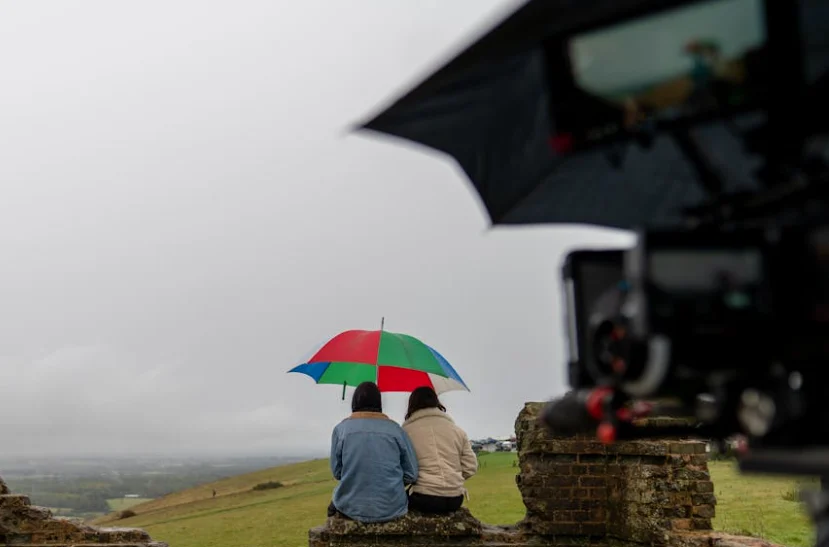
Tools and Technology Used for Film Weather Planning
Production crews now have a wealth of resources to keep them updated on adverse weather conditions, allowing them to plan ahead.
Weather Planning Software: By integrating forecast data into a shooting schedule application, crews can predict what weather conditions may impact their production and reschedule as needed.
Radar Apps: An unexpected downpour can damage thousands of dollars’ worth of equipment. Teams should have at least one person assigned to monitor radar, allowing crews and equipment to be relocated as necessary.
Satellite Data: Satellite information can keep the crew informed of cloud cover that may change the lighting conditions, allowing the film shoot to determine which scene may be better suited for the current conditions.
Weather APIs: APIs like Visual Crossing allow developers to integrate weather insights into their production software, which allows for adjustments to location and crew scheduling.
How Weather Planning Helps Avoid Delays and Risks
Weather planning is invaluable for keeping filming on track. Using weather forecast information and holding days, producers can avoid rushed adjustments to shooting that could leave cast and crew confused. Additionally, they won’t have to cancel shoots or waste valuable time due to adverse weather conditions.
Risks of Skipping Weather Planning in Film Production
Simple planning can save thousands of dollars, protect equipment, and ensure safety. In addition, it can ensure that footage doesn’t need to be cut due to continuity errors.
For example, if the shoot is on location in a desert, crews must carefully monitor temperature to avoid dehydration and heatstroke. Blowing wind could lead to sand in the equipment, which can cause serious damage. As lighting changes throughout the day and year, having to stop work for several weeks may cause continuity issues. All this can be avoided with weather apps and scheduling.
Crew Safety and Compliance on Weather-Sensitive Shoots
Actors and crew members are protected by unions, which have strict regulations in place to ensure their safety. Conditions such as high wind speeds or extreme heat may necessitate halting production until conditions improve, as failure to do so could result in the shoot being shut down or fines being imposed.
Tracking weather can both ensure compliance with applicable regulations and improve crew morale, leading to better scenes and a smoother production process.
Post-Production Weather Considerations and Challenges
Post-production weather considerations and challenges must also be incorporated into the budget and schedule. Sky conditions, such as storm clouds in one scene and clear skies in the next, will necessitate additional post-production work. Scenes that rely on natural light must be relatively consistent from one take to the next, and light levels may need to be adjusted.
Weather’s Role in Continuity and Scene Matching
Poor planning can lead to significant inconsistencies in how a particular scene appears, which can take viewers out of the scene. Fluctuating weather conditions, such as cloud cover, wind direction, and light levels, may require editing in post-production or necessitate reshooting an entire scene.
Weather-informed planning will ensure visual cohesion, reducing post-production costs, and allow for a consistent final product that keeps viewers immersed.
Lighting, Sound, and Weather: Technical Concerns on Set
The potential risks of bad weather aren’t just about crew safety, but also about sound quality, lighting, and visual coherence. High wind speed can muffle audio, meaning that actors have to dub over the take with careful matching by the post-production team. Even wind patterns have to be considered. If the wind is blowing one way in one take, then the opposite way in another, viewers will notice.
Equipment that can help reduce the impact of weather includes lens caps, anti-fog treatments, supplemental lighting, wind screens, booms, and condenser microphones. Together, these can allow for the magic of outdoor filming without issues.
Choosing Locations with Weather in Mind
Highly popular outdoor film spots may be booked years in advance, making it crucial to consider the weather your film requires. For example, the Griffith Observatory in Los Angeles was in Rebel Without a Cause and La La Land, as it’s close to Hollywood sound stages but is also very recognizable.
While LA is known for its beautiful weather, it can also be impacted by local wildfires and overcast days. Historical weather insights can help crews prevent safety issues and ensure consistent lighting.
Spots in British Columbia, Canada, are often used for breathtaking outdoor shots because of the majestic Canadian Rockies and dense wilderness. However, these can typically only be shot in the summer because of heavy snows that may make certain spots inaccessible. Knowing when the first snow falls and what potential weather disruptions the crew may face can ensure a smooth production experience.
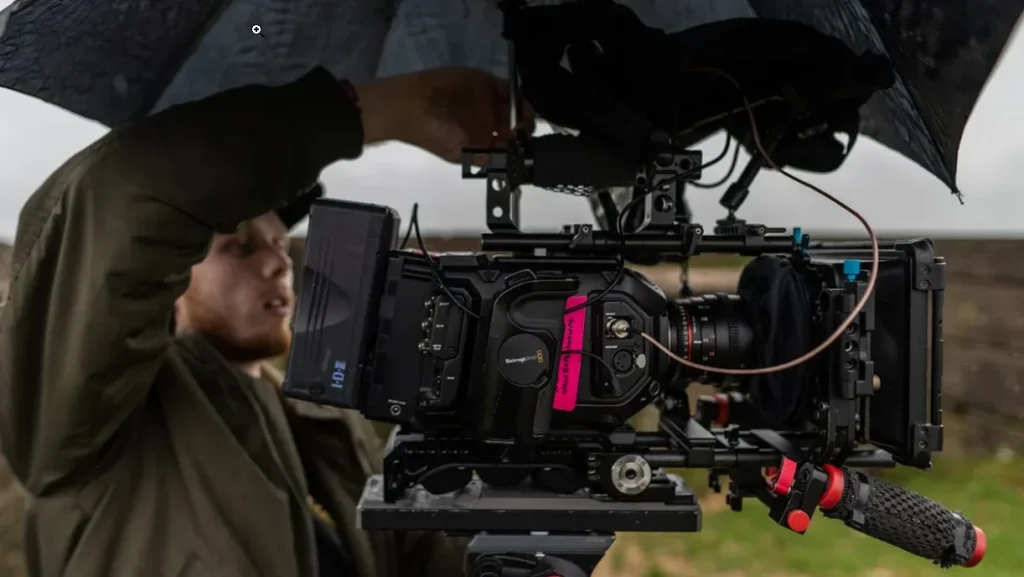
Indoor vs. Outdoor Shoots: Weather Implications
Weather planning will differ significantly between indoor and outdoor shoots. While indoor scenes are protected from the weather, they can’t always replicate outdoor lighting, which will require extensive post-production editing. Moving equipment indoors and outdoors will also need a large crew and technical expertise, in addition to heavy trucks and setup time.
Through backup planning, teams can avoid having to move equipment back and forth or reschedule shoots. They can also determine what lighting will work best in each scene to ensure continuity.
Film Genres Most Affected by Weather Conditions
Some genres are more susceptible to weather conditions than others, meaning these crews will have to plan more carefully.
Action: Since action movies often feature stunt-heavy sequences, teams must consider the impact of heat or extreme cold on their stunt doubles and actors and plan accordingly for safety.
Adventure: Adventure movies often take place in remote locations, which may be inaccessible at certain times of the year. For example, The Lord of the Rings was mostly shot on location in rugged New Zealand. Backup sound stages that replicate extreme weather conditions can ensure that crews capture the perfect shot while also producing beautiful footage.
Historical Movies and Documentaries: Historical movies typically use historical buildings, like castles or old buildings, to add a sense of authenticity. On-location shoots at historical locations are often tightly booked, requiring careful scheduling to ensure consistency in lighting and sky patterns.
Nature Documentaries: Nature documentaries are highly weather-dependent, both due to animal migration patterns and the seasonal effects on local plant life. Scheduling accordingly can ensure that viewers get a coherent perspective on the location.
Collaborating with Weather Experts and Meteorologists
Weather experts and meteorologists can be invaluable to film crews, providing real-time support to mitigate weather challenges. These specialists can also provide practical tips on how to reduce risk to workers and offer suggestions on how to avoid common issues.
For example, a weather expert can explain what time of the year is the most unpredictable in terms of lighting, cloud cover, and temperature. This can help crews decide whether it’s best to rearrange their schedule and do most of the indoor scenes at that time, or even whether to choose a comparable but more temperate location before they begin shooting.
Budgeting for Weather Delays and Mitigation
No studio wants to go over budget, but they also want to avoid fines or damage to equipment. Scheduling holding days and adding more crew days can prevent films from going over budget by predicting these additional expenses. Additionally, weather insurance and protective equipment for scaffolds, lighting, and cameras will prevent expensive losses while ensuring a quality production.
Final Thoughts on Weather’s Role in Film Success
Strategic weather planning can mitigate the impact of weather on film productions, ensuring that the final product is flawless. Crews should schedule their work with the weather in mind and purchase weather insurance to protect their budget in case a sudden storm arises.
Tools like the Visual Crossing Timeline Weather API keep crews informed of the challenges they may face while out in the field, including typical wind gusts and overcast lighting. This allows crews to develop a flexible, modular schedule that maintains productivity without risking safety. With real-time updates, production teams can quickly evacuate if the weather takes a turn for the worse and adjust their timeline accordingly.