

A transportation and logistics weather API can improve operational efficiency, avoid delays, and improve return on investment. Through precise forecast data, teams can get the data they need to keep employees safe, while historical weather data helps companies stay ahead of potential weather events.
Why Weather Impacts Logistics and Delivery
Adverse weather is a key sticking point for logistics teams. Severe weather conditions cause 23% of all road delays in the US, costing trucking companies up to $3.2 billion a year.
Unfortunately, climate change is making these extreme events more common, meaning that companies must integrate advanced weather data into their decision-making processes. By knowing current conditions and predicting future events, support teams can optimize their risk assessment and minimize disruptions.
Understanding Transportation and Logistics Weather API
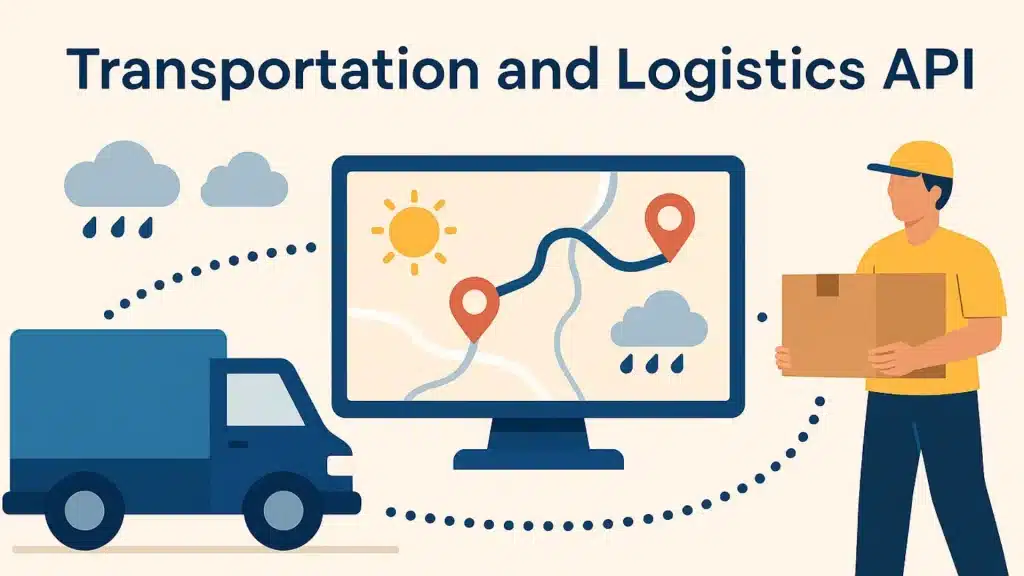
A transportation and logistics weather API connects an application to a wealth of both real-time and historical weather data. The process uses an API key, which “unlocks” the database and allows an app to download the queried information. This can then be integrated into a delivery system or navigational tool to offer real-time data.
Core Benefits of Weather APIs for Logistics
A weather API offers significant benefits to logistics companies, which include:
- Improved route optimization
- Real-time rerouting based on current weather conditions
- Improved safety for drivers and dispatchers
- Reduced cost of delays and canceled deliveries
Route Optimization in Logistics
Route optimization is essential in logistics. The safest, fastest, and most efficient route isn’t just determined by distance, but also by current weather conditions, construction, and accidents.
As such, incorporating accurate weather data into route optimization processes can allow drivers and dispatchers to see the big picture and choose the perfect route for each delivery.
How Route Optimization APIs Work with Weather Data
A route optimization API requests data from an endpoint, such as a weather data API, for use in an application or website. Each time the application wants to access information, it submits a query using an API key, which tells the endpoint that this is a verified user. The endpoint then accepts the request and transmits the requested information.
Using a weather query builder, an application can automate its requests to receive real-time weather data on a quarterly, hourly, or daily basis, depending on the user’s needs.
Users can optimize operations through seamless integration of an API with their current delivery optimization tools, like Google Maps. This way, they boost a driver’s situational awareness and help them make the best choices.
Avoiding Weather-Related Logistics Challenges
There are various weather-related logistics challenges, including snow, flooding, high wind speeds, and hurricanes. Each of these can represent thousands of dollars in lost shipments, cargo spoilage, and vehicle repairs.
By using an API, companies can pinpoint severe weather conditions and identify alternative routes that protect both their employees and cargo.
Carbon Efficient Delivery with Forecasting Insights
Carbon-efficient delivery is crucial both for reduced costs and regulatory compliance. Weather data can help companies avoid idling, long detours, and failed deliveries that increase expense and dissatisfy customers.
Leveraging Weather Data for Smarter Logistics
Accurate weather data isn’t just important for real-time operations, but also for planning ahead. Through forecasting, companies can adjust their shipping schedules, manage inventory, and plan long-haul deliveries based on route conditions along the way. This allows for both long-term planning and short-term adjustments if the weather takes a turn for the worse.
Integrating APIs into Logistics Management Systems
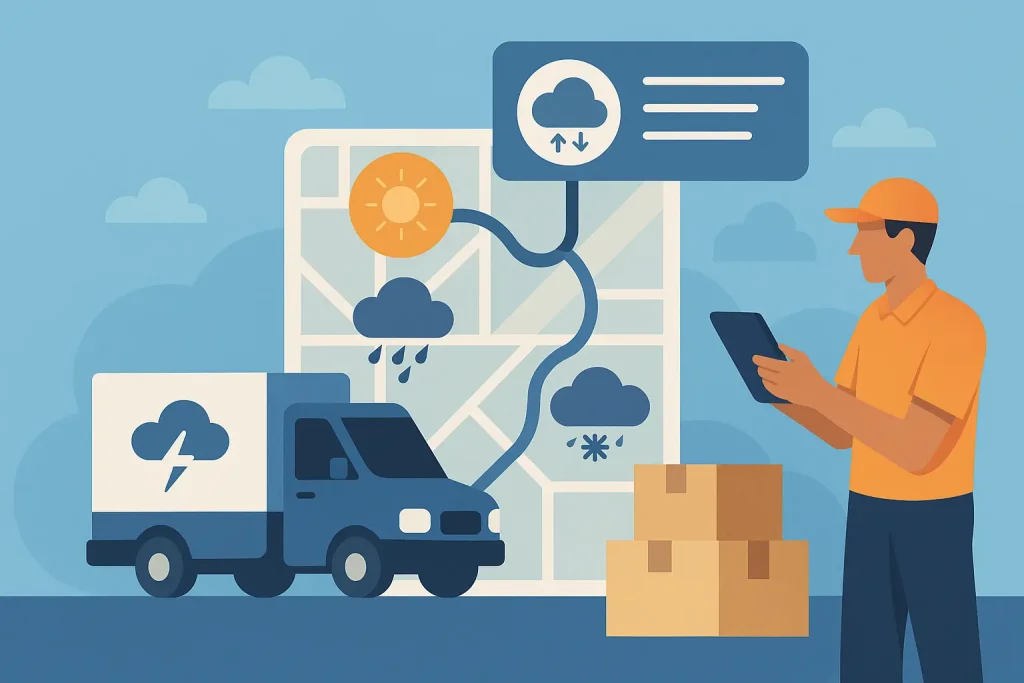
An API can be integrated into a fleet management, GPS, or tracking system by using the provided API key. Real-time updates and severe weather alerts ensure that everyone is on the same page and that a sudden storm never comes as a surprise. This is helpful for dispatchers, drivers, and customers.
Visual Crossing offers extensive documentation and dedicated support to help new users get started.
Air Quality Considerations in Logistics
Poor air quality leads to significant issues for every aspect of the supply chain. Smog and other pollutants can damage vehicles and lead to breathing issues in drivers. Because warehouses are often open to the outside air, low air quality also hurts warehouse workers and can slow down processing.
By integrating this data into your API, you can also consider this key factor and how it may influence timelines. Visual Crossing offers air quality data, including details on key pollutants that impact overall conditions.
Forecasting and Planning with APIs
Short-term and long-term forecasts can help you plan schedules and avoid bottlenecks, such as sending out too much product at once. This is particularly important for companies that handle perishable objects, such as fruit or live animals.
Knowing the potential conditions during each season also helps companies prepare for what their drivers can expect on the road in each region. This may allow companies to reroute deliveries or adjust timelines to keep customers satisfied.
Best Practices for Weather-Aware Logistics
Weather data is only as helpful as how it is applied. To ensure the most weather-aware business operations, consider these action points.
- Monitor Real-Time Alerts: Integrate real-time alerts into your API so that drivers are always aware of what they may face during the next leg of their journey. Train your employees on what each alert means and the appropriate actions to take depending on the situation.
- Schedule Buffer Times: While customers want the fastest deliveries possible, this is not realistic in every circumstance. Build time for adverse weather into your delivery forecasts so that products arrive on time.
- Integrate Forecasts into Contracts: Clients appreciate transparency. Make them aware of what conditions will affect delivery schedules and what actions your drivers take during these events so that they’re not frustrated by sudden changes.
Final Thoughts on Smarter Weather-Aware Logistics
A transportation and logistics weather API is a key element of a successful business strategy. Through real-time information, you can optimize routes, delivery schedules, and business processes. This keeps your workers safe and clients happy, all while reducing your company’s environmental impact and staying compliant with all relevant regulations.
Get started with an API today by exploring Visual Crossing’s business plans. If you have questions, our friendly support team is available to discuss what product is right for you and provide step-by-step advice on how to integrate an API into your existing systems.
FAQs about Transportation and Logistics Weather APIs
What is a transportation and logistics weather API?
A weather API for transportation and logistics offers real-time, accurate weather data to plan deliveries and other business processes.
How do weather APIs improve route optimization for deliveries?
Accurate weather forecasts allow users to optimize their routes by avoiding bad weather, such as low visibility or high winds, that may interrupt operations.
Can weather APIs help reduce delivery delays?
Yes. Precise weather data can help truck drivers and other professionals avoid extreme weather events that may lead to delays
What role does weather data play in carbon-efficient delivery?
Integrating up-to-date information about weather conditions can optimize resource allocation, thereby reducing inefficiencies such as idling that contribute to carbon emissions.
How do route optimization APIs use weather insights?
Route optimization APIs use real-time weather data to avoid severe weather and plan alternative routes in congested areas.
Are transportation weather APIs useful for international logistics?
Yes, weather APIs are helpful in international transportation and logistics operations, particularly if the API has a global reach.
What types of weather-related logistics challenges can APIs help avoid?
A weather API provides severe weather alerts on conditions like thunderstorms, high winds, snowstorms, and extreme heat or cold that may cause vehicles to break down.
How accurate are logistics weather forecasts for real-time operations?
Weather forecasts provide highly accurate real-time information, ensuring that transportation professionals can make informed decisions based on precise weather intelligence.
Can weather APIs integrate with existing fleet management systems?
Yes. With a weather API key, you can incorporate comprehensive weather data into most fleet management systems.
Do weather APIs improve supply chain visibility?
Yes. Weather APIs provide real-time access to detailed information about weather conditions. This clearly communicates potential disruptions, ensures efficient operations, and enables teams to adjust schedules as needed.
What industries benefit most from logistics weather APIs?
Any industry that needs to mitigate weather-related risks will benefit from high-resolution weather APIs. This includes transportation, agriculture, energy, construction, and retail or e-commerce.
How do companies get started with a transportation and logistics weather API?
Sign up for seamless access to an API using Visual Crossing. You can start with a free account or choose our enterprise options, and we also offer extensive documentation.
How can weather APIs support last-mile delivery efficiency?
Last-mile deliveries are often weather-dependent, so having a weather map on hand allows drivers to avoid emerging conditions.
What are the main cost savings from weather-aware logistics planning?
Savings include reduced travel times, less cargo spoilage, and reduced maintenance costs.
Do logistics weather APIs help reduce vehicle maintenance issues?
Yes. Avoiding precipitation, extreme temperatures, and high wind speeds reduces vehicle maintenance.
How do weather APIs improve driver safety during extreme conditions?
During extreme weather conditions, accurate weather data can help drivers avoid the worst of the storms and get to safety.
Can transportation weather APIs help companies meet sustainability goals?
Yes. By reducing idling and travel times, APIs can help you boost sustainability.
What type of data formats do logistics weather APIs provide?
Our API supports JSON and CSV formats.
How scalable are weather APIs for growing logistics companies?
Weather APIs are highly scalable. We offer enterprise solutions with specialized data, unlimited requests, and custom queries.